

Alabama, known as a state rich in rich historical background and cultural, offers an insightful journey through the historic Civil Rights Trail. While exploring into this important chapter of U.S. history, we uncover not just the narratives of bravery and perseverance but also the influence of local businesses in transforming the financial landscape. The evolution of these businesses reflects the broader cultural changes that have taken place throughout the years, showing how commerce and civil rights are interwoven.
In analyzing established corporations in this southern state, we can more understand the function of these organizations in fostering community growth and addressing social issues. The local business directory reveals a vibrant network of companies that not only contribute to the regional economy but are also engaged in community engagement. Whether they are small startups to well-established corporations, each has a role in the ongoing journey toward fairness and equity, making this state a compelling state to explore from both a historical and economic perspective.
Overview of Corporations in Alabama
Alabama is home to a varied array of corporations that contribute a major part to the state's economic landscape. The commercial landscape here includes a combination of big multinational companies, little businesses, and all in between. With a background rooted in production, finance, and tech, the state's corporations reflect the changing nature of the state's growth. This vibrant ecosystem provides opportunities for innovation and growth, motivating entrepreneurs to establish new businesses.
The state has a robust commercial structure that facilitates the creation of businesses. Established corporations in the state must comply with specific regulations defined by the laws of the state. This guarantees that companies operate smoothly and maintain the required standards for openness and accountability. The Alabama business directory serves as a helpful tool for both aspiring business owners and consumers, providing key details about different licensed businesses operating within the state.
Furthermore, the state's businesses are more and more focusing on sustainability and community impact. Many businesses are taking on practices that not only contribute to profitability but also positively impact their neighborhoods. This shift indicates a rising awareness of the importance of corporate responsibility in today's market. As Alabama continues to evolve, its corporations are likely to play a key role in shaping the future economic landscape of the state.
Historical Context of Corporate Development
The evolution of corporations in Alabama has strong roots intertwined with the financial and community structure of the region. Following the conflict, Alabama experienced substantial economic expansion, particularly in sectors such as metalworking and production. This period marked the rise of various Alabama businesses that played a crucial role in transforming the state's financial landscape and molding its communities. As these sectors expanded, so did the demand for organized businesses, leading to an growth in recognized businesses in Alabama.
During the last century, the struggle for equality influenced not only societal progress but also the corporate landscape. Many companies began to realize the value of variety and inclusion in their staff, which resulted in the creation of guidelines that tackled fairness and equity. This change was essential in fostering a more equitable corporate climate in Alabama. Businesses in Alabama began to interact more proactively with the communities they served, acknowledging their role in promoting civil rights and financial advancement.
Today, the Alabama business directory highlights a multitude of established companies across multiple sectors, reflecting the state's changing corporate character. The landscape continues to evolve as businesses adapt to contemporary difficulties and possibilities. Understanding the past background of corporate development in Alabama is crucial for understanding the insights gained and the steps still required in creating an equal financial future.
Major Contributors in Alabama's Economic Framework
Alabama's economic environment is marked by a varied selection of corporations that contribute substantially to the state's economy. Key participants include well-established industries such as car production, space technology, and biotechnology. Companies like Mercedes-Benz and Honda Motor Co. have established extensive manufacturing facilities, driving growth and job creation. Additionally, the presence of NASA's Marshall Space Flight Center showcases Alabama's role in space innovation, attracting numerous high-tech firms and research institutions.
The farming industry remains a cornerstone of Alabama's economy, with major input from companies involved in poultry production, the cotton industry, and various crops. linked website reflects this diversity, listing a wide range of registered businesses dedicated to both agricultural and manufacturing. As Alabama continues to evolve its economy, the integration of traditional manufacturing with innovative methods is becoming increasingly pivotal for local and national markets.
Furthermore, support organizations and local chambers of commerce play a vital role in fostering a favorable business climate. These entities help manage the regulatory landscape for registered companies in Alabama, ensuring they have the resources needed for success. By facilitating connections and providing advice on best practices, they contribute to the overall development of Alabama companies and the emergence of new enterprises across the state.
Impact of Civil Rights on Alabama Corporations
The Civil Rights Movement profoundly shaped the structure of corporations in the state of Alabama, pushing them to implement more diverse practices. As protesters struggled for equality, many businesses faced pressure to reevaluate their policies, ensuring equitable treatment for employees of all backgrounds regardless of ethnicity. This shift not only altered workplace environments but also encouraged companies in Alabama businesses to stand up against inequality, matching their values with the broader societal changes of the era.
In the wake of the Civil Rights Movement, Alabama registered companies began to recognize the value of diversity in their workplace. Businesses that welcomed these changes experienced a positive impact on their reputation and customer loyalty. The shift towards inclusivity allowed businesses to attract a broader range of talent and foster innovation, which ultimately helped to their expansion and sustainability in a challenging market.
Additionally, the historical significance of the Civil Rights Movement has been integrated into the values of many Alabama state. Today, many businesses participate in community outreach and social responsibility initiatives that promote justice and fairness. By reflecting on their history and dedicating themselves to ongoing progress, these corporations not only honor the struggles of the Civil Rights Movement but also pave the way for the next generation to succeed in an equitable business environment.
Resources for Alabama Researching Businesses
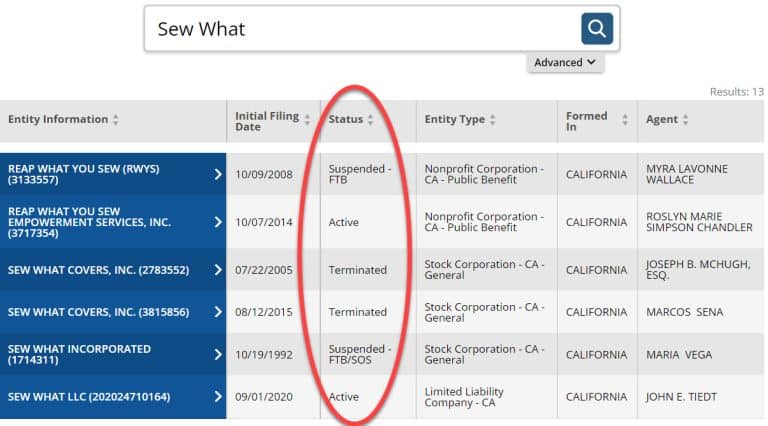
To effectively examine companies in the state of Alabama, there are several key tools available. The Alabama Secretary of State site is an indispensable resource, providing a gateway to a extensive database of incorporated entities in Alabama. This site allows users to look up for data about Alabama state companies by name, ID, or state. It also offers support on the procedure of launching a company in the area.
In also to the Secretary of State of Alabama's tools, the Business Directory of Alabama serves as a helpful resource for anyone seeking to explore companies in Alabama. This directory lists various businesses across various fields, making it easier to find contact information and get an overview into the corporate landscape. Entrepreneurs and researchers can take advantage of this platform to connect with local businesses and find potential partners.
Lastly, organizations such as the Chamber of Commerce of Alabama provide extensive tools for research of businesses. They offer information, reports, and events that can help individuals gain more knowledge into the economic climate in the state. By leveraging these assets, investigators and startups can access important information about Alabama registered companies and their contribution on the economy of the state.